

HUANGSHAN CHAIN TECHNOLOGYPart of SFR Group · Established 2011
What a Timing Chain Supplier Needs to Match an Engine Reference

“Timing chain for a 125 engine” is a starting enquiry, not a finished part specification. An engine reference, chain construction and installed system have to agree before a replacement can be approved. HCC CHAIN is a timing chain supplier with published 25H and 2 × 3 references, supported by broader chain manufacturing and inspection capabilities for buyers developing a documented engine-parts range.
Workshop suppliers, importers and engine-parts distributors can begin with HCC’s timing and specialist chain range. First confirm the engine identity, existing part reference, chain dimensions and required configuration. Do not infer compatibility from displacement, motorcycle name or a photograph of a short chain section alone.
A timing chain supplier needs the engine reference before the sales description
A motorcycle’s commercial name may cover different engine versions or market configurations. The engine identity is therefore more useful for a timing-chain enquiry than a broad vehicle category. Preserve any original part number, engine code and relevant documentation, then connect that information to the chain being requested.
Consider a distributor supplying several independent repair shops. One workshop uses the motorcycle’s model name, another gives an engine code, and a third sends only the removed chain. Treating those enquiries as identical can create an incorrect cross-reference. The distributor should establish which evidence supports each proposed application before assigning one stock number.
HCC’s 25H and 2 × 3 references provide identifiable starting points, not a universal engine fitment list. The supplier can review the submitted requirement against its products. Where the public description does not settle the exact application, the buyer should keep compatibility unconfirmed until the necessary technical information has been reviewed.
Use 25H as a reference, not a complete engine approval
The 25H designation helps narrow a timing-chain discussion, but the finished requirement also includes the actual dimensions, length or link configuration and intended application. A purchase order that records only “25H” may omit information the receiving workshop needs to identify the correct replacement.
Keep the engine reference and approved part identity together. If a sample is supplied, identify where it came from and whether it is worn or altered. A removed chain can help with identification, but its current condition should not be treated as the desired new-part geometry without technical review.
Timing-chain supply belongs to a complete engine system
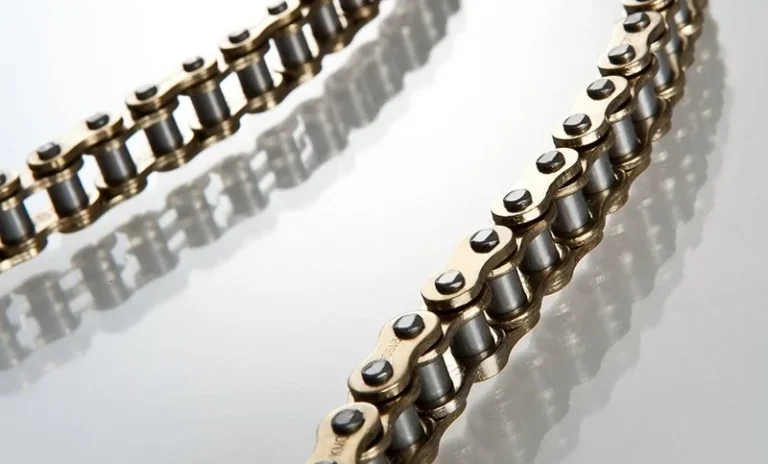
A timing chain works with other engine components to maintain the intended relationship between rotating parts. The sprockets, guides and tensioning arrangement are part of that system. A chain that appears to fit a sprocket is not automatically an approved replacement for the engine as a whole.
Tsubaki’s timing-system overview describes the distinct roles of chains, sprockets, tensioners and guides. That general system perspective is useful to a buyer: the chain cannot be assessed in isolation from the components that guide and tension it. Tsubaki’s products and performance figures are not HCC specifications.
Clarify what the 2 × 3 timing-chain reference means for your part
HCC lists a 2 × 3 timing-chain reference. Before converting that description into a stock item, obtain the applicable drawing or dimensional information and confirm the intended engine requirement. Do not guess the construction or treat a short catalogue label as a substitute for the complete product definition.
This is particularly important when comparing offers. Two suppliers may present descriptions in different formats. The purchasing team should compare the actual chain construction and dimensions, not assume that similar text means identical parts. The approved record should show which HCC product was reviewed for which engine application.
Do not assume a timing-chain order includes guides or tensioners
HCC’s published timing-chain offering does not establish that every associated engine component is included. If the buyer requires a kit, state its contents and confirm which parts can actually be supplied. A chain-only order should not be sold to a workshop as a complete timing-system replacement package.
Similarly, a new chain does not prove that the existing guides, tensioner or sprockets are serviceable. Qualified repair personnel should assess the system using the engine manufacturer’s instructions. This article supports purchasing and identification; it is not an installation procedure or a substitute for the engine’s service information.
Turn incomplete workshop enquiries into a usable timing-chain order
A practical enquiry record can begin with the engine code, known original part reference, photographs and available dimensions. Add the required quantity and explain whether the order is a like-for-like replacement or part of a new supply programme. Keep unresolved information visible rather than filling it with assumptions.
For a workshop that has only a removed chain, request the engine information as well as clear views of the chain construction. If the chain was replaced previously, the removed item may not be an authoritative reference for the original specification. The equipment record or engine manufacturer’s documentation remains important to the identification process.
A second scenario involves an importer combining parts from several engine families into one shipment. The importer should not use a single carton description such as “cam chains” as the only identification. Preserve each approved engine-to-part relationship in the order and receiving documents so the correct chain reaches the correct workshop.
Keep three identities linked: the engine being serviced, the approved chain specification and the supplied stock item. A change to any one of these should trigger a review of the relationship, not an automatic substitution based on appearance.
HCC’s broader motorcycle drive-chain range includes 420, 428, 520 and 525 products. Those are separate rear-drive discussions. A timing-chain enquiry should not be combined with a drive-chain size merely because both products are used on motorcycles.
Keep timing-chain cross-references narrower than the motorcycle sales name
A distributor building a cross-reference list should record the evidence behind each application. The useful record connects an engine identity and approved chain reference; it does not simply group motorcycles by a familiar model name. Where the evidence is incomplete, leave the application unresolved rather than expanding the fitment list to make the product appear more versatile.
This matters when a workshop reports that a chain “looks the same” as one already stocked. The observation may justify a technical enquiry, but it is not enough to publish a replacement claim. Differences that are difficult to judge from a photograph can still affect the installed system. Keep the two enquiries separate until the applicable construction and dimensions have been checked.
For HCC’s 25H and 2 × 3 references, a controlled cross-reference record can be concise: the engine or original part identity, the reviewed HCC configuration, the relevant drawing and the approval basis. Add the distributor’s own stock number only after that relationship is clear. If the engine variant changes, review the relationship again instead of assuming that the existing stock number remains valid.
HCC’s timing chain supplier role is supported by manufacturing resources
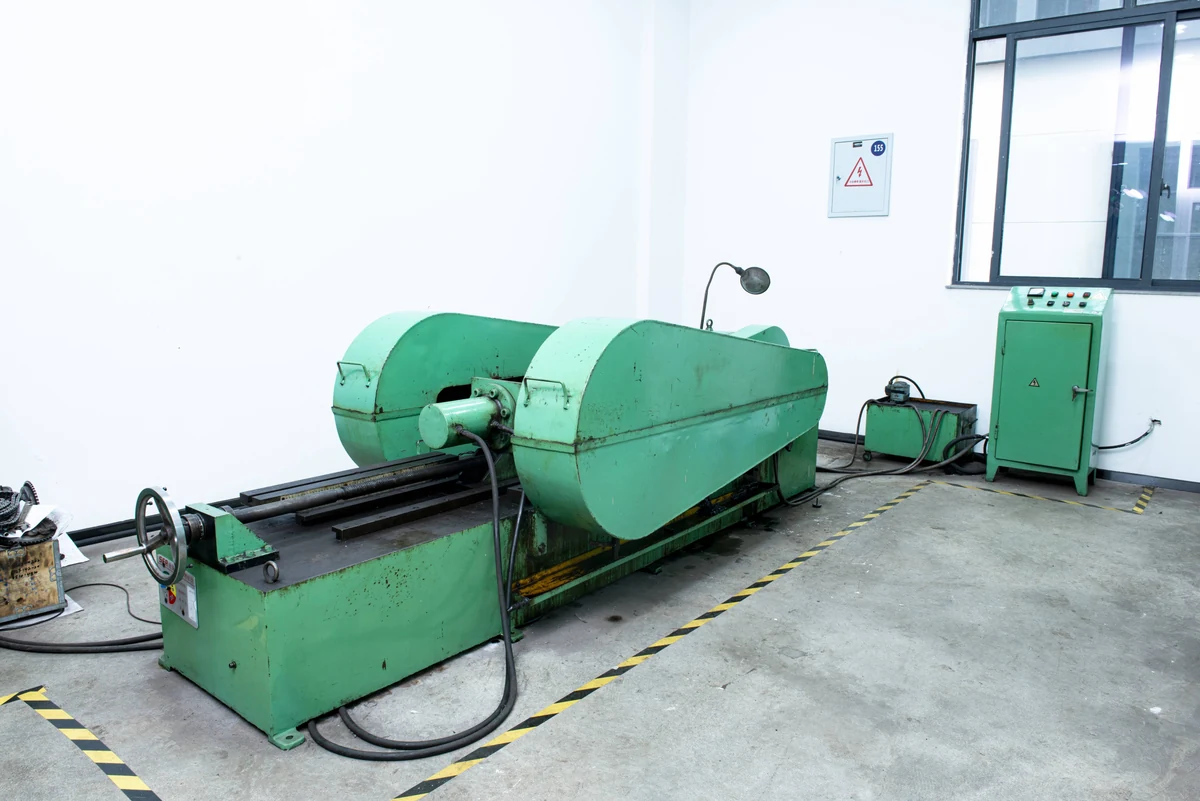
HCC presents precision forming, heat treatment and automated assembly within its production capabilities. These resources give buyers a basis for discussing a manufactured chain product rather than relying only on a trading description. The relevant question is how the proposed timing-chain reference will be defined and reviewed for the buyer’s requirement.
The company’s inspection presentation includes dimensional measurement, material examination and mechanical testing. For a timing-chain programme, connect the requested evidence to the approved part. A general quality statement is less useful than knowing which dimensions and records apply to the actual chain being ordered.
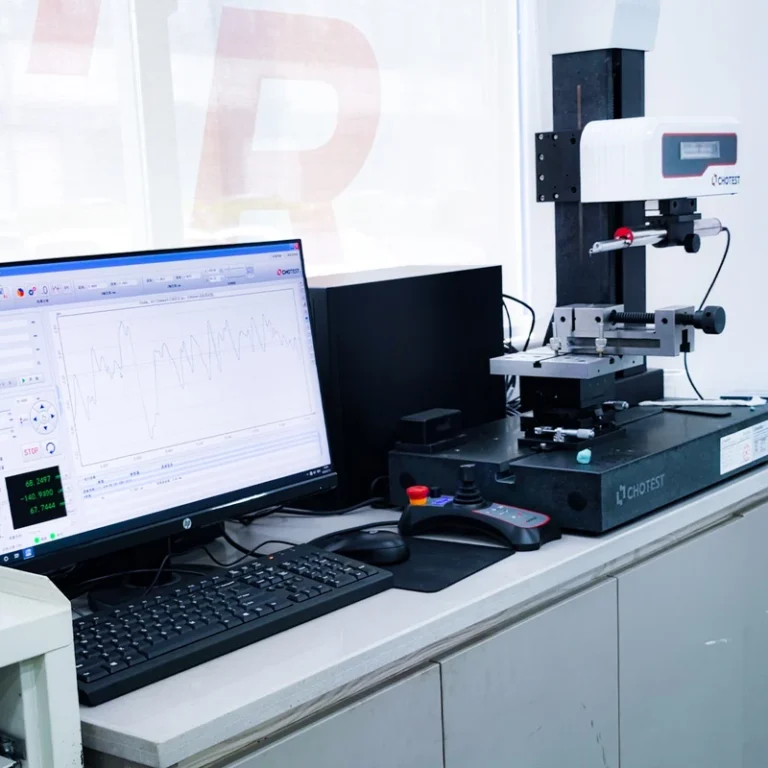
Do not convert the existence of testing equipment into an unsupported engine-life claim. The public range does not publish a universal replacement interval or a guaranteed service life for every 25H or 2 × 3 application. Any such requirement needs product-specific evidence and agreement, together with the engine manufacturer’s operating and maintenance requirements.
HCC’s company profile describes a Huangshan manufacturing business established in 2011 and wholly owned by SFR. That background helps buyers understand the organisation behind the supply relationship. It does not replace application approval or confirm immediate availability of a particular timing-chain configuration.
Make timing-chain identification survive receiving and storage
Separate a confirmed engine application from a pending enquiry in the distributor’s stock system. Otherwise, a provisional 25H or 2 × 3 reference can become a sales claim simply because it appears on a replenishment list. The approval status should be visible to the team that answers workshop questions as well as to the person placing the purchase order.
Small engine components can become difficult to distinguish after protective packaging is opened. Agree how each timing-chain reference will be identified through receiving and storage. The useful label is one that preserves the approved part relationship, not simply a broad family name or a quantity count.
For a distributor, this may mean keeping the HCC reference, the distributor’s stock number and the approved application record connected in its own system. The exact packing and labelling arrangement should be confirmed with HCC for the order. Do not assume a retail kit, individual carton or particular preservation method without agreement.
If the buyer plans to split a shipment into workshop quantities, consider how identification will be retained after repacking. A clear incoming record loses value if the final workshop receives an unmarked chain. The distributor’s internal handling process should preserve the part identity without adding an unverified compatibility claim.
Delivery planning should also distinguish a repeat approved item from a newly reviewed application. Confirm the technical status of each line before agreeing the required schedule. Company-wide production capacity cannot tell the buyer whether a specific engine-chain configuration is available for a particular dispatch date.
A timing-chain replacement decision should stay with the engine requirement
Where a repair has been prompted by noise, wear or another operating problem, ordering a new chain is only one part of the response. The engine should be assessed by qualified personnel using the relevant service procedure. Purchasing should not diagnose the cause from a chain photograph or promise that one replacement component will resolve every symptom.
For buyers evaluating the manufacturer behind the part, our HCC manufacturing evaluation article explains how production resources and product-specific evidence should be connected. The same discipline is valuable here, while the engine application remains distinct from the motorcycle’s rear drive.
An effective timing-chain order is therefore deliberately precise. It identifies the engine, the approved 25H or 2 × 3 requirement where applicable, the actual supply scope and the information needed by the receiving workshop. With those points settled, HCC can review a meaningful supply request instead of trying to infer an engine specification from a short sales description.