

HUANGSHAN CHAIN TECHNOLOGYPart of SFR Group · Established 2011
Assessing a Timing Chain Manufacturer for an Engine Programme

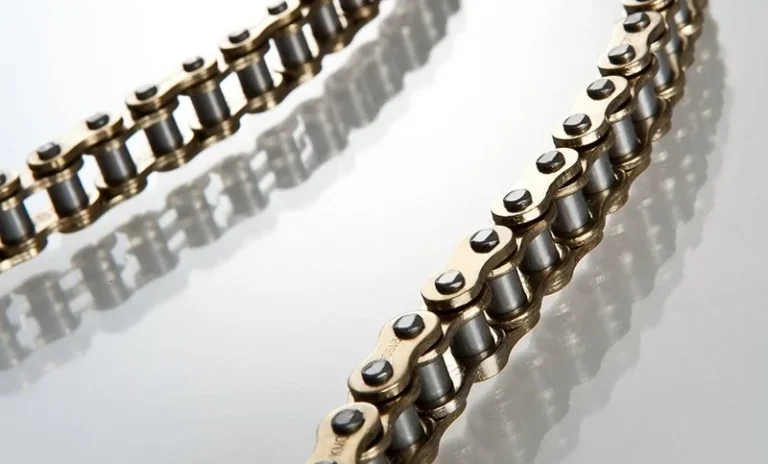
An engine programme needs more than a timing-chain sample that looks like the old part. It needs an agreed component definition, a clear approval boundary and evidence that belongs to the proposed configuration. HCC CHAIN offers a manufacturing-led discussion for buyers assessing a timing chain manufacturer, with published 25H and 2 × 3 references and documented forming, treatment, assembly and inspection resources.
For an engine-parts brand, importer or OEM team, begin by connecting the HCC timing-chain offering to the engine drawing and component requirements. This article follows the approval programme rather than the repair-counter enquiry: what must be defined, what the factory can help review, and what should remain unresolved until the application evidence exists.
Define the timing chain manufacturer’s component responsibility
A timing-system project can involve the chain, sprockets, guides and tensioning components. The first commercial decision is which of those components the supplier is actually being asked to provide. HCC’s public timing-chain references support a chain discussion; they do not establish a complete engine-kit offering for every application.
State the component boundary in the technical enquiry. If the engine developer retains responsibility for the surrounding system, provide the relevant interface requirements. If the buyer wants a wider supply scope, ask HCC to confirm it explicitly. This prevents a chain sample from being interpreted as approval of an entire timing system.
The interaction between timing components is described in Tsubaki’s timing-chain system information. That professional reference is useful for understanding why the surrounding components matter. Its designs, production figures and performance claims remain Tsubaki’s; they are not specifications or commitments for HCC.
Put the 25H timing-chain reference inside an engine-specific definition
HCC’s 25H reference is a practical entry point, but an engine programme requires more than the designation. Identify the applicable dimensions, chain length or link configuration, joining requirements and engine interface. The final definition should be understandable to engineering, purchasing and receiving without relying on a remembered conversation.
Suppose a parts brand is moving from an anonymous sample to a documented supply programme. The sample can support discussion, but it should not remain the only authority. The buyer and manufacturer need to agree which characteristics define the new part and which sample features may reflect wear, modification or an earlier production version.
Review HCC’s timing-chain manufacturing route against the actual part
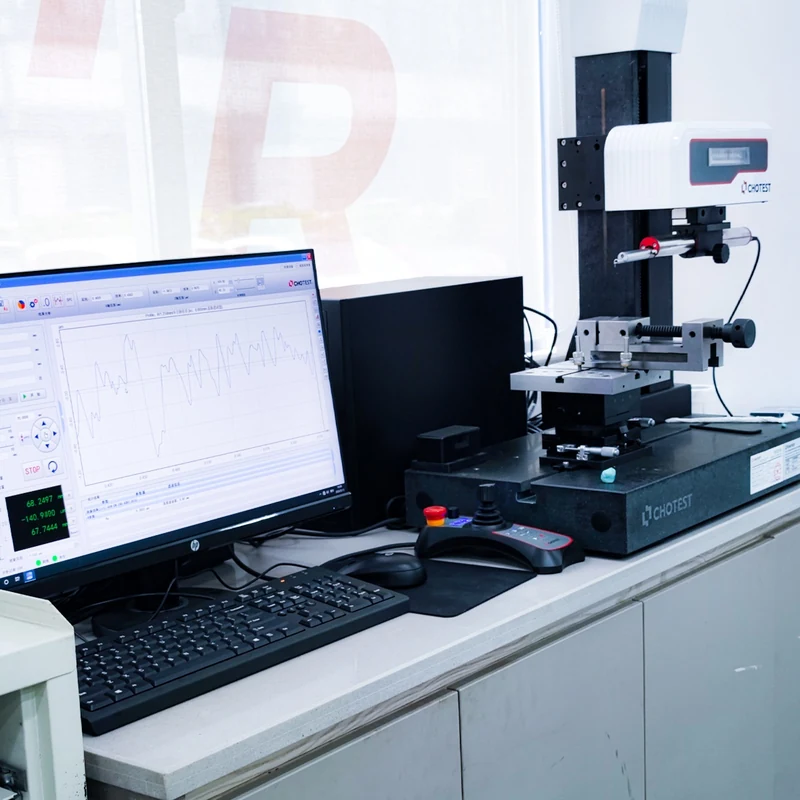
HCC’s manufacturing capabilities include precision presses, mesh-belt heat treatment and automated assembly. These capabilities create a relevant production context for a buyer evaluating chain supply. Their value increases when they are connected to the component and evidence requirements in the engine programme.
The buyer should ask how the proposed chain is identified through the technical review, which drawing is used and what acceptance information is available. This is different from requesting a broad list of factory equipment. The equipment list shows resources; the approval file connects those resources to the part the buyer intends to use.

Resolve the 2 × 3 chain construction before comparing quotations
A short 2 × 3 description can be useful in a catalogue but should not carry the whole engineering requirement. Confirm the applicable construction and dimensional information for the HCC reference. Compare that confirmed definition with the engine requirement before treating two quotations as equivalent.
For an OEM purchasing team, the commercial comparison should identify the same approved part, documentation scope and supply requirements. A quotation for an incompletely defined chain cannot be evaluated fairly against one that includes a different construction or additional review work. Clarifying the part first makes the later price discussion more meaningful.
Separate dimensional approval from timing-chain performance validation
Dimensional evidence can show that a sample agrees with specified geometry. It does not, by itself, demonstrate durability in a particular engine duty. The distinction matters because a timing-chain programme may require both component checks and application validation, with different responsibilities and acceptance criteria.
HCC’s inspection resources include dimensional measurement, material examination and mechanical testing. Buyers can discuss the evidence needed for the proposed timing chain, but should not assume that a general factory quality statement covers every engine-specific validation requirement.
A timing-chain test record needs the specimen and method identified
If the programme requires test evidence, identify which part was tested, under which method and against which agreed requirement. A result without a clear connection to the proposed chain may not answer the buyer’s question. Equally, a result from another chain family should not be presented as proof for the timing-chain configuration.
The public HCC information does not provide a universal service-life figure for 25H or 2 × 3 timing chains. Do not fill that gap with another manufacturer’s number. Where the engine programme requires a quantified performance target, the parties need to agree the evidence and validation process before making a product claim.
A second buyer situation involves an engine team that changes its operating requirement after a sample review. The part may remain dimensionally unchanged, yet the validation basis has changed. The programme should identify whether additional assessment is needed instead of assuming that the earlier sample approval covers all later conditions.
Keep timing-chain approval decisions visible across engineering and purchasing
A compact approval matrix helps prevent different departments from using “approved” to mean different things. It should describe the actual decision, the evidence supporting it and any remaining condition. The matrix below is a planning aid, not a claim that HCC follows one fixed procedure for every customer.
| Decision in the engine programme | Evidence that answers it | What it does not establish alone |
|---|---|---|
| Chain identity | Agreed drawing, construction and part reference | Engine durability |
| Dimensional acceptance | Results against the approved geometry | Suitability for every operating duty |
| Material or mechanical requirement | Applicable documentation and agreed test evidence | Approval of surrounding timing components |
| Application release | Engine owner’s required validation and authorisation | Permission to substitute later revisions without review |
The matrix is especially useful when purchasing must place an order before every development activity is complete. It makes the unresolved boundary explicit. A quotation or sample shipment should not be mistaken for an engine release, and an appearance check should not be recorded as a mechanical qualification.
For an established replacement programme, the same structure can be simpler. Retain the approved engine-to-part relationship, the current drawing and any agreed inspection requirements. The objective is not paperwork for its own sake; it is preventing an abbreviated order from losing the technical decision that made the part suitable.
The approval matrix should also distinguish a proposed requirement from an accepted result. A target entered by the engine team is not evidence that the supplied chain has achieved it. Keep the target, the agreed assessment method and the resulting decision in separate fields. This makes the record useful when the purchasing team needs to understand why one item can proceed and another still needs technical review.
For a programme containing both 25H and 2 × 3 references, do not use one completed approval row to cover both automatically. The relevant construction and application can differ. Each proposed part should have its own traceable decision, even if the same company contacts and commercial framework are used for the programme. That separation supports a broader relationship with HCC without disguising the work needed to approve an additional engine-chain configuration.
If a sample is rejected, describe the actual discrepancy and the evidence used to identify it. A statement such as “not suitable” may be correct but gives the manufacturer little basis for a focused response. A clear description of the unresolved dimension, construction detail or application requirement allows the next review to address the real issue instead of restarting the whole supplier discussion.
Assess the timing chain manufacturer as a business without inventing guarantees
HCC’s company profile describes its Huangshan base, establishment in 2011 and wholly owned relationship with SFR. The profile also publishes overall production and delivery information. These facts provide useful company context, but should not be converted into a timing-chain-only capacity or an immediate stock promise.
For a buyer planning a recurring engine-parts programme, ask how the specific requirement will be reviewed and scheduled. The number of configurations, approval status and quantity by reference all matter. A new 2 × 3 requirement and a repeat approved 25H order may involve different information needs even when they appear on the same purchase order.
HCC’s wider portfolio includes motorcycle drive chains, industrial roller chains and other specialist products. That breadth can support a broader supplier relationship, but each product family retains its own technical identity. Our manufacturing-led motorcycle-chain article discusses factory evaluation from a different application perspective.
If certification documentation is part of the programme, obtain the current document and confirm its scope and relevance. A company-level certification reference should not be presented as a product-specific engine approval. The buyer’s required technical evidence and applicable market responsibilities remain separate questions.
Treat a timing-chain revision as a decision, not a silent replacement
The timing-chain programme should distinguish an approved production reference from a development sample. That status needs to remain visible when engineering hands the requirement to purchasing.
After the first approval, define how a change to the drawing, component description or application will be handled. A revised part number should make the change visible to the people placing and receiving orders. If the supplier proposes an alternative, the buyer should review it against the programme rather than assume equivalence from a similar label.
Packaging and identification should support that revision discipline. An engine-parts distributor may need to distinguish several approved references that look alike. An OEM assembly operation may need a different receiving format. Explain the intended handling process to HCC and confirm the available packing and labelling arrangement for the actual order.
Do not assign a fixed dispatch promise before the technical and commercial scope is agreed. A schedule should identify which items are approved, which require further review and which documents must accompany the supply. This is more useful to an engine programme than a general statement about fast delivery.
The strongest timing-chain manufacturing discussion ends with a defined component and an honest boundary around its approval. HCC brings a real chain range and manufacturing resources to that discussion. The buyer brings the engine requirement and release criteria. When both are explicit, the 25H or 2 × 3 reference becomes part of a controlled supply programme rather than a label attached to an uncertain sample.